Build Story · Writing studio · LinkedIn
Voice Pen: LinkedIn posts that sound like you
A writing studio that learns your voice from posts you've already written, then plans and publishes the next ones.
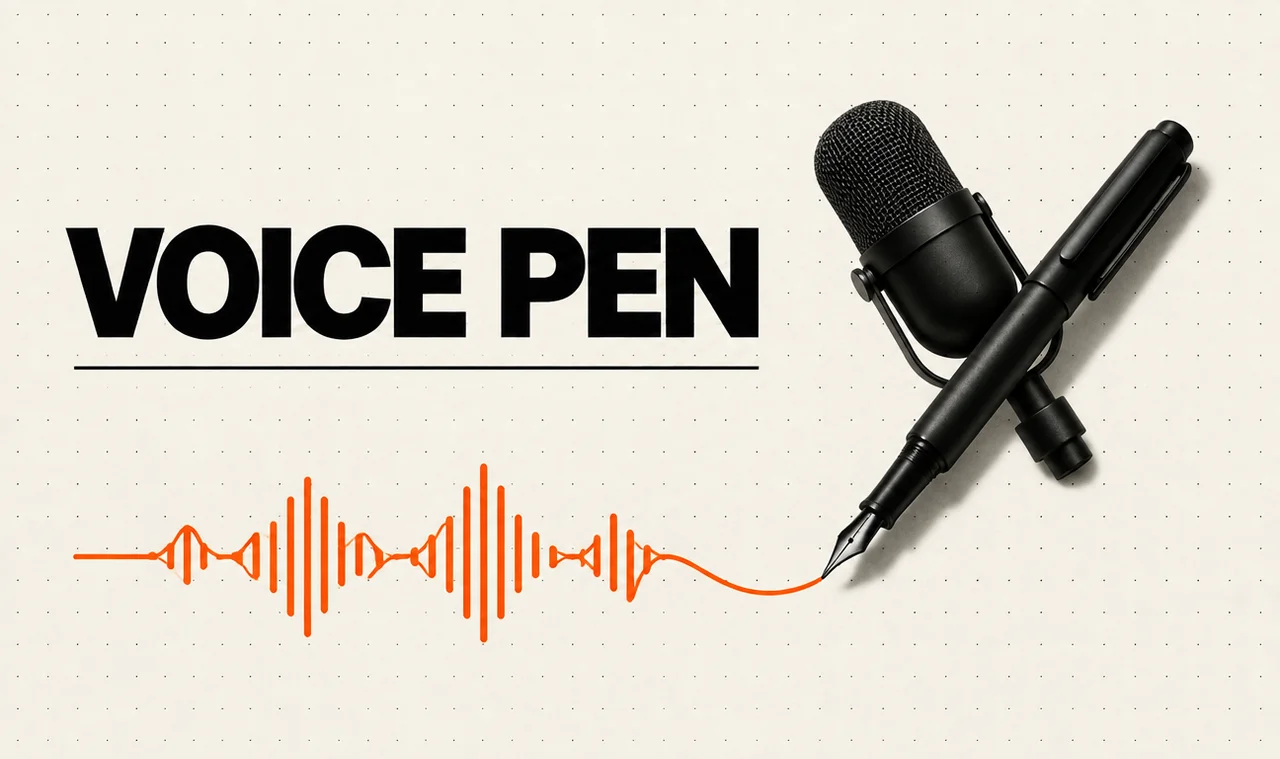
In one look
The problem
Most LinkedIn writing tools cost more time than they save. Chatbot drafts sound like everyone else's, ghostwriters are slow, and schedulers fix when a post goes out, not what it says.
What we built
Drop in posts you're proud of and Voice Pen learns your cadence, hooks and tells. Draft from an angle, plan a fortnight on a calendar, then publish to LinkedIn or copy posts out by hand. Nothing goes out without your say-so.
Where it is now
Live at voicepen.ink and free while in beta, no credit card. It also works inside AI assistants through its MCP server. Video, image and text posting to Instagram, Facebook Pages, Threads, YouTube, TikTok and Bluesky is in private beta for invited testers. A native iPhone app is in testing.
What this would have cost in 2024
About $47k and 2–3 months
2024 team: 4 people: full-stack web, platform integrations, iOS, designer with QA. Built here by one founder working with AI in 36 days over 8½ months.
| Piece | 2024 hours |
|---|---|
| Writing studio: editor, library, projects, calendar, Kanban | ~207 |
| Voice learning and AI drafting (style, golden posts, angles) | ~143 |
| LinkedIn sign-in, publishing, carousels, scheduler | ~103 |
| Publishing to 6 more platforms: sign-in, uploads, worker | ~250 |
| Metrics loop, comments and keyword auto-replies | ~103 |
| MCP server for AI assistants | ~73 |
| Native iPhone app + test pipeline | ~147 |
| Landing, brand, SEO and policy pages, platform reviews | ~103 |
| Rivals first version, security pass, QA | ~125 |
| Total (PERT) | ~1,255 |
Method: PERT (O+4M+P)/6 per piece; low = O × $25, likely = PERT × $37.5, high = P × $50 (Accelerance 2024 Eastern-Europe band). These are estimates of what a team would have needed in 2024, not invoices.
How it was built
From first commit to current build in 36 days over 8½ months
- Day one
A LinkedIn writing studio: a post preview, sign-in, saved drafts, a 'My Story' page, voice input, drafting from an angle and an early style analyser.
- Posting to LinkedIn
Sign in with LinkedIn and post straight from the editor, behind a confirmation step. AI writing modes, projects, bulk actions and AI images landed the same day.
- A content program
A weekly content grid with drag and drop, golden posts that teach the tool your style, saved ideas and a Kanban board.
- Works inside AI assistants
An MCP server lets an AI assistant draft and schedule posts through Voice Pen, in the user's own voice.
- It gets a name: Voice Pen
Renamed and restyled after a June pass on onboarding, account controls and data-protection basics.
- Brand, carousels and a careful scheduler
A pen-and-waveform mark and a new landing page, LinkedIn document carousels and video, and a publish worker guarded against posting the same thing twice.
- Video goes cross-platform
Instagram, Facebook Pages, Threads, YouTube, TikTok and Bluesky wired in, with a preflight check before each post. Reviews with Google and Meta followed within days; until they pass, social posting stays with invited testers.
first cross-platform posts live on 9 Oct · 61 commits that day - Measure before going wide
A metrics loop pulls views, likes, comments and shares back for each post, with comment replies, keyword auto-replies, variants and time slots. A security pass gave AI use daily caps that fail closed.
9 upgrades shipped in 5 builds - A native iPhone app, in testing
Speak a post, get a draft in your voice, schedule it. Sign in with Apple, photo and video posts, and a short version for other platforms that keeps names and numbers exactly as written.
4 days from first commit to a test build - Rivals and campaign tags
An early version of Rivals for saving competitors' ads in one place, and campaign tags on post links so a sign-up can be traced to the post that brought it.
Who did what
The founder decided
- Nothing is published without the user's say-so, and posts can be copied out by hand.
- Measure before going wide: the metrics loop came before posting to more platforms.
- Drafts use Google Gemini by default; people who connect their own AI assistant through MCP draft with that instead.
- A public product, free while in beta, not only an in-house posting tool.
- Before asking Google to review YouTube access, show the upload inside the product and explain on the homepage why it is needed.
AI built and checked
- The web app, built in Lovable from the founder's briefs.
- Claude Code: the native iPhone app, the security pass, and the briefs and live checks behind cross-platform publishing, metrics and comment replies.
- Platform-review prep with Claude: demo videos, permission write-ups and the privacy-policy updates the reviews ask for.
Stack
Want something like this for your team?
From one call to something live. The same method is in the Claude Operator Pack.
From the founder
You might also like

Shares MCP server · SwiftUI

Shares React · SwiftUI

Shares React · Claude Code